- admin@mgebasambulanceservices.co.za
- Nduli Location, Ceres, Westerncape, South Africa
- Mon - Sun: 24/7


Gallery Posts
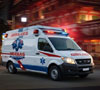
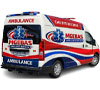
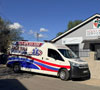
We don't follow a clock; we follow the need. Our dispatch center and medical crews are on standby 365 days a year, ensuring that no matter when an emergency strikes.
| Mon - Fri: | 24/7 |
| Saturday: | 24/7 |
| Sunday: | 24/7 |
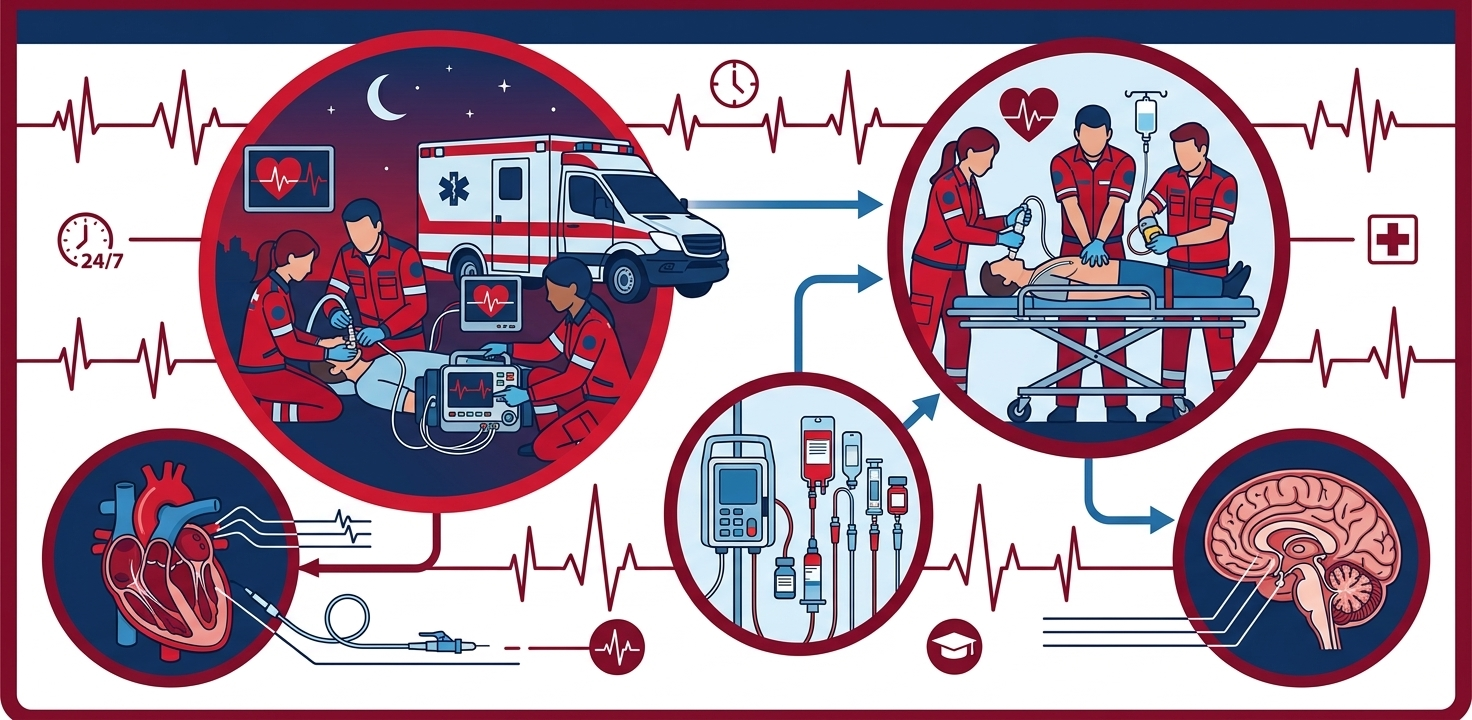
For high-risk cases—such as cardiac arrests, respiratory failure, or severe trauma—we deploy Advanced Life Support teams. Our highly qualified paramedics are authorized to administer emergency medications, perform advanced airway management, and provide cardiac monitoring en route to the hospital.
Our ALS units are staffed by Advanced Life Support paramedics. These professionals have undergone extensive clinical training, allowing them to perform invasive procedures and make critical medical decisions that go far beyond basic first aid.
Unlike basic units, our ALS teams are authorized to administer a wide range of emergency drugs. This includes:
Cardiac Medications: To stabilize heart rhythms during a heart attack or cardiac arrest.
Respiratory Drugs: To open airways during severe asthma attacks or allergic reactions (Anaphylaxis).
Pain Management: Providing powerful analgesics to manage severe pain from fractures or trauma.
Anticonvulsants: To stop active seizures.
In cases where a patient cannot breathe on their own, our ALS paramedics can perform advanced airway procedures, including intubation and the use of mechanical ventilators, ensuring the brain and heart continue to receive vital oxygen.
We use multi-lead ECG monitors to “see” the heart’s electrical activity in real-time. This allows our team to:
Identify specific types of heart attacks immediately.
Perform manual defibrillation or cardioversion to “reset” a dangerous heart rhythm.
Provide external pacing for patients whose hearts are beating too slowly.
Our dispatchers prioritize ALS for the most critical “Code Red” cases, such as:
Cardiac Arrest: When the heart has stopped beating.
Severe Trauma: Major motor vehicle accidents, falls from heights, or industrial injuries.
Unresponsiveness: When a patient is unconscious for unknown reasons.
Acute Stroke: To begin neurological stabilization during the journey.
Complex Pediatric Emergencies: Specialized care for infants and children in distress.
The presence of an ALS team significantly increases the chances of survival and recovery. By starting “hospital-grade” treatment in the ambulance, we ensure that the patient is already stabilized by the time they reach the Emergency Room.
Mgebas ALS & Paramedic Care: Bringing the Hospital to You.
Mgebas Ambulance Services is led by a team of dedicated professionals in emergency services
| Mon - Fri: | 24/7 |
| Saturday: | 24/7 |
| Sunday: | 24/7 |
Copyright 2026 Mgebas Ambulance Services. All Rights Reserved by Mgebas Ambulance Services